
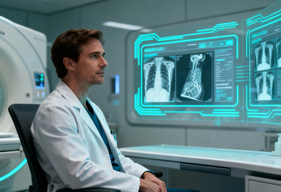
How to ease radiologist workload with AI-powered tools, better case distribution, and streamlined communication.
Radiologist burnout has reached crisis levels, with studies showing that over 60% of radiologists report symptoms of burnout. The consequences affect not just individual well-being, but also patient care quality and healthcare system sustainability. Fortunately, smart workflow solutions offer hope.
Understanding the Burnout Crisis
Radiologists face unique pressures:
- Increasing imaging volumes year over year
- Complex cases requiring more time and attention
- 24/7 coverage expectations
- Regulatory and documentation burdens
- Isolation from clinical teams
- Repetitive tasks and monotonous work
AI-Powered Relief
Artificial intelligence can shoulder some of the burden:
Automated Triage and Prioritization
AI systems can automatically identify and flag critical findings, ensuring urgent cases get immediate attention while reducing the cognitive load of constant vigilance.
Pre-Processing and Quality Checks
Let AI handle routine quality assurance tasks like checking image quality, verifying correct patient information, and flagging technical issues before they reach the radiologist.
Preliminary Analysis
AI can provide preliminary reads for normal studies, allowing radiologists to quickly confirm and move on, or flag studies that need deeper analysis.
Intelligent Case Distribution
Smart workload management prevents overwhelming individual radiologists:
- Volume Balancing: Distribute cases evenly across available radiologists
- Complexity Matching: Route complex cases to subspecialists
- Time Zone Optimization: Leverage global coverage for 24/7 needs
- Preference Consideration: Allow radiologists to indicate study type preferences when possible
Streamlined Communication
Reduce interruptions and communication friction:
Integrated Messaging
Built-in communication tools within PACS eliminate the need to switch between applications and reduce response times for urgent queries.
Structured Reporting
Templates and macros reduce typing burden and ensure consistent, comprehensive reports that minimize callback requests.
Automated Notifications
Critical findings automatically trigger appropriate notifications without manual intervention.
Work-Life Balance Initiatives
Technology enables better scheduling and flexibility:
- Remote reading capabilities for work-from-home options
- Flexible scheduling systems
- Predictable call schedules with adequate notice
- Time off that's truly uninterrupted
Reducing Administrative Burden
Automate non-interpretive tasks:
- Automated billing and coding assistance
- Streamlined quality metrics tracking
- Simplified peer review processes
- Automated report distribution and follow-up
Creating a Supportive Culture
Technology alone isn't enough. Organizations must also:
- Recognize and address burnout openly
- Provide mental health resources
- Encourage peer support and mentorship
- Celebrate achievements and contributions
- Involve radiologists in workflow decisions
Measuring Impact
Track both productivity and well-being metrics:
- Burnout surveys and satisfaction scores
- Work hours and overtime tracking
- Radiologist retention rates
- Quality metrics and error rates
- Recruitment success
The Path Forward
Addressing radiologist burnout requires a comprehensive approach combining technology, workflow optimization, and cultural change. By implementing smart solutions that reduce repetitive tasks, balance workloads, and respect work-life boundaries, healthcare organizations can create sustainable practice environments.
The goal isn't just to increase productivity—it's to restore the joy of practice, improve job satisfaction, and ultimately deliver better patient care through a healthier, more engaged radiology workforce.